المجلات
-
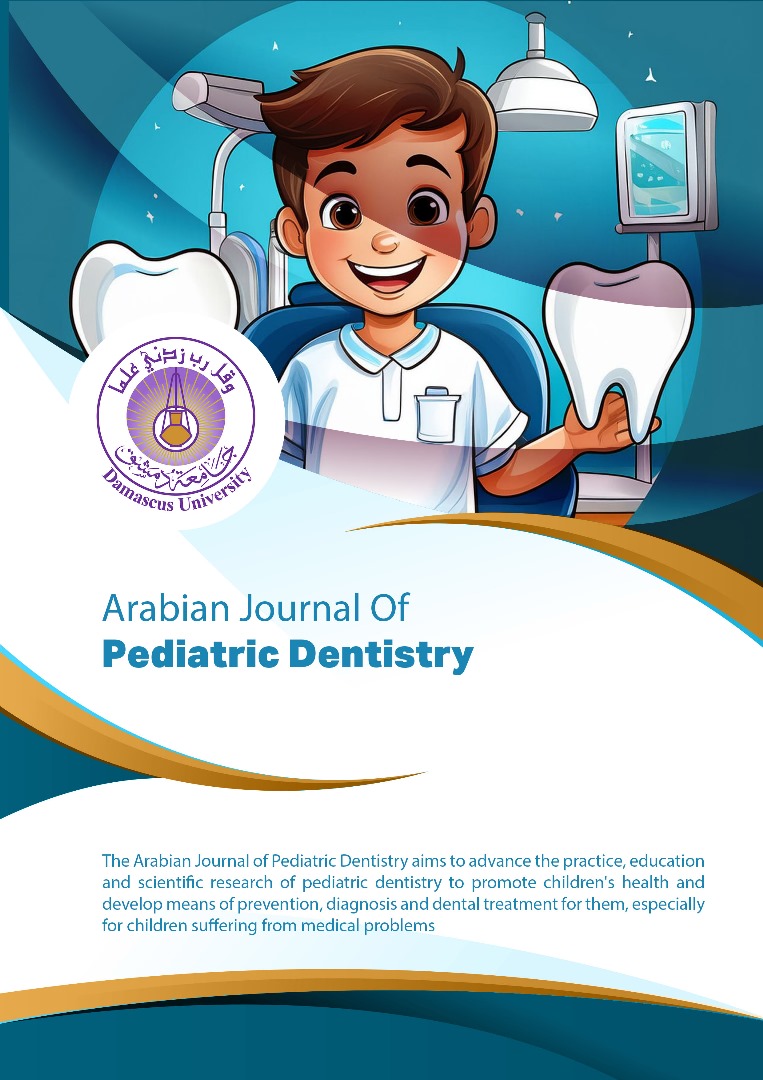
المجلة العربية لطب أسنان الأطفال
تهدف المجلة العربية لطب أسنان الأطفال الى الارتقاء بالممارسة والتعليم والبحث العلمي الخاص بطب أسنان الأطفال لتعزيز الصحة لدى الأطفال وتطوير وسائل الوقاية والتشخيص والمعالجة السنية لهم ولاسيما للأطفال الذين يعانون من الأمراض العامة ، كما تهتم المجلة بنشر الأبحاث السريرية لتقديم أهم الأدلة العلمية التي تمكن الباحثين من متابعة أبحاثهم والارتقاء بعلوم طب أسنان الأطفال كالتشوهات والاضطرابات الوجهية الفكية والأذيات الرضية السنية وتقنيات التدبير السلوكي للأطفال لتمكين أطباء الأسنان العامين والمختصين من تطبيق أهم الدلائل الإرشادية في عياداتهم والارتقاء بمهنة طب أسنان الأطفال في العالم. الحاصلة على ISSN (Online):3078-4522
إن المجلة العربية لطب أسنان الأطفال هي مجلة ثنائية التحكيم تصدر باللغة الانكليزية كما تزود ملخص باللغة العربية والانكليزية.
-

مجلة جامعة دمشق للمؤتمرات العلمية
مجلة علمية، تهتم بنشر البحوث والمواضيع التي عرضت في المؤتمرات المقامة في رحاب جامعة دمشق بمختلف التخصصات.
-

مجلة جامعة دمشق للدراسات التاريخية
مجلة علمية دورية محكّمة متخصصة تصدر الكترونيا ، تسعى بفعل مساهمات السادة الأساتذة والباحثين المختصين (السوريين والعرب) من كليات جامعة دمشق والجامعات الحكومية الأخرى والخاصة والباحثين من جامعات الدول العربية والأجنبية الصديقة، لأخذ دورها المتميز في تنوير وتثقيف الفكر العربي والإنساني المقرر لها، وتسليط الضوء على تاريخ العرب في عصوره كافة. ISSN: 2789-7478 (online)
-

مجلة جامعة دمشق للعلوم التربوية والنفسية
مجلة جامعة دمشق للعلوم التربوية والنفسية مجلة علمية دورية محكّمة متخصصة تصدر الكترونيا تصدر عن جامعة دمشق في الجمهورية العربية السورية، تمتلك ISSN: 2789-6390 (online) تُعنى مجلة جامعة دمشق للعلوم التربوية والنفسية بتقدم الإضافة العلمية في ميادين التربية واصولها وعلم النفس وميادينه والارشاد النفسي والتربوي ومجالاتهما الارشادية والعلاجية والقياس النفسي والتربوي واختباراتهما والمناهج وطرائق التدريس والتقنيات التعليمية بمختلف انواعها ورياض الاطفال والتربية المقارنة والتربية الخاصة (المتفوقين والمعاقين )والتقويم والقياس والتربية المقارنة في الوطن العرب. كما وتقبل عرض الكتب الجديدة والمتميزة لباحثين معروفين في مجال تخصصهم سوريين أو عرب.
-

مجلة جامعة دمشق للآداب و العلوم الإنسانية
مجلة علمية دورية محكّمة متخصصة، تعنى بالتخصصات الآتية: (علم الفلسفة - علم الاجتماع – الجغرافيا - اللغة العربية وآدابها - اللغة الإنكليزية وآدابها - اللغة الفرنسية وآدابها - اللغة الألمانية وآدابها - اللغة الفارسية وآدابها - الأدب المقارن - الإعلام والصحافة – المكتبات).
حصلت مجلة علوم الآداب والعلوم الإنسانية على الرقم الدولي ISSN: 1818-5010، والرقم ISSN: 2789-6552 (online) .
-

مجلة جامعة دمشق للعلوم الزراعية
مجلة علمية دورية محكّمة متخصصة، تُعني بالدراسات حول البحوث والأبحاث المبتكرة في مختلف العلوم الزراعية (في مجال علوم البستنة والمحاصيل الحقلية ووقاية النبات والمكافحة الحيوية وعلوم الأغذية والإنتاج الحيواني والموارد الطبيعية المتجددة والبيئة والهندسة الريفية والاقتصاد والارشاد الزراعي والتقانات الحيوية في الزراعة).
حصلت مجلة العلوم الزراعية على الرقم الدولي ISSN: 1999-7310، والرقم ISSN: 2789-7214 (online)
-

مجلة جامعة دمشق للعلوم الأساسية
مجلة علمية دورية محكّمة متخصصة، تُعني بالدراسات حول ميدان العلوم وتطبيقاتها, وتتضمن بحوثاً مبتكرة في الرياضيات وعلم الإحصاء الرياضي والفيزياء, والكيمياء, والجيولوجيا, وعلم حياة نباتية, وعلم حياة الحيوان, وعلم البيئة, أبحاث التنمية المستدامة والعلوم التطبيقية ذات العلاقة.
حصلت مجلة العلوم الأساسية على الرقم الدولي ISSN: 1726-5487 ورقم الدولي ISSN:2789-6366(online)
-
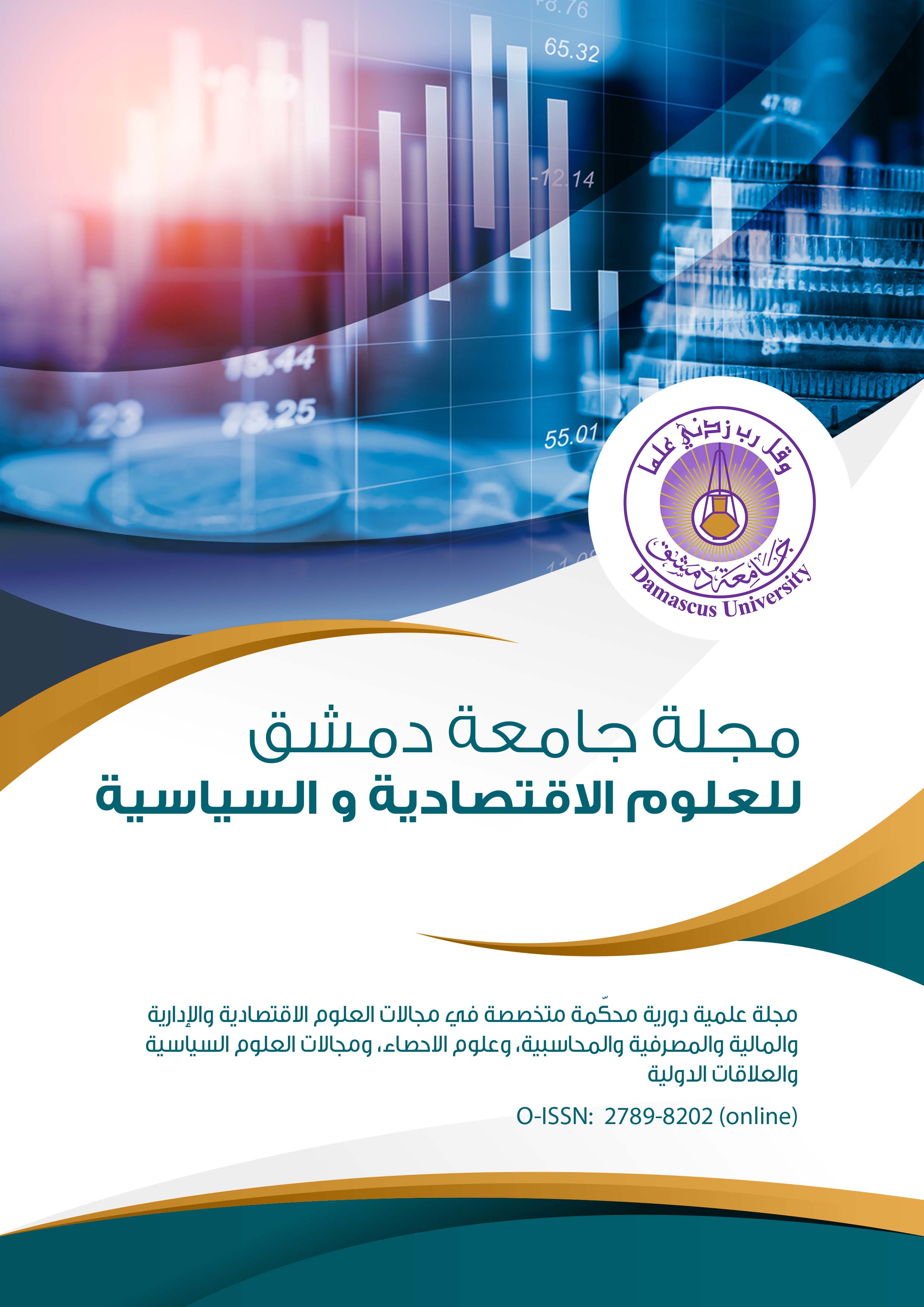
مجلة جامعة دمشق للعلوم الاقتصادية و السياسية
مجلة علمية دورية محكّمة متخصصة، تُعنى بنشر الدراسات والأبحاث العلمية الهادفة إلى تعزيز القيم الأخلاقية والثقافية في مجالات العلوم الاقتصادية والسياسية.
حازت مجلة جامعة دمشق للعلوم الاقتصادية والسياسية على الرقم الدوليISSN: 2789-8202 (online).
-

مجلة جامعة دمشق للعلوم القانونية
مجلّةٌ علميّةٌ دوريّةٌ محكّمةٌ متخصّصةٌ، تُعنى بالدراسات القانونية من جوانبها كافَّة (الجانب الحقوقي، والاجتهاد القضائي ...)؛ لإثراء الفكر القانوني، ونشر القواعد القانونية، ورفد الدراسات القانونية بكل ما يخدمها من خلال التركيز على الأبحاث المساهمة في هذا الشأن، والاطلاعِ على معطيات الفكر القانوني المعاصر (المحلي والعالمي). والمجلة حاصلة على الرقم الدولي ISSN: 2789-7621 (online)، وقد كانت سابقا تصدر تحت اسم المجلة الاقتصادية والقانونية
-

مجلة جامعة دمشق للعلوم الطبية
مجلة علمية دورية محكّمة متخصصة بكافة الاختصاصات الطبية (الطب البشري وطب الأسنان والصيدلة وبعض الأبحاث المتعلقة في الهندسة والتقانات الطبية)
تنشر المجلة أيضاً تقارير الحالات الطبية النادرة، وكافة المقالات الصحية ذات الهدف التعليمي. حصلت مجلة العلوم الطبية على الرقم الدولي ISSN: 2072-2265. والرقم ISSN:2789-6889(online)
-

مجلة جامعة دمشق للعلوم الهندسية
مجلة علمية دورية محكّمة متخصصة ، تُعني في تطوير الـمعرفة ونشـرها من خلال طرح القضايا المُعاصـرة حول كافة المجالات الهندسية وتكنولوجيا المعلومات (الهندسة المدنية وهندسة العمارة والهندسة الكهربائيةوالهندسة الميكانيكية والهندسة الطبية والمعلوماتية وغيرها من المجالات الهندسية ومجال الفنون الجميلة)
تمكنت مجلة العلوم الهندسية من الحصول على الرقم الدولي ISSN: 1999-7302 والرقم ISSN:2789-6854(online)
-
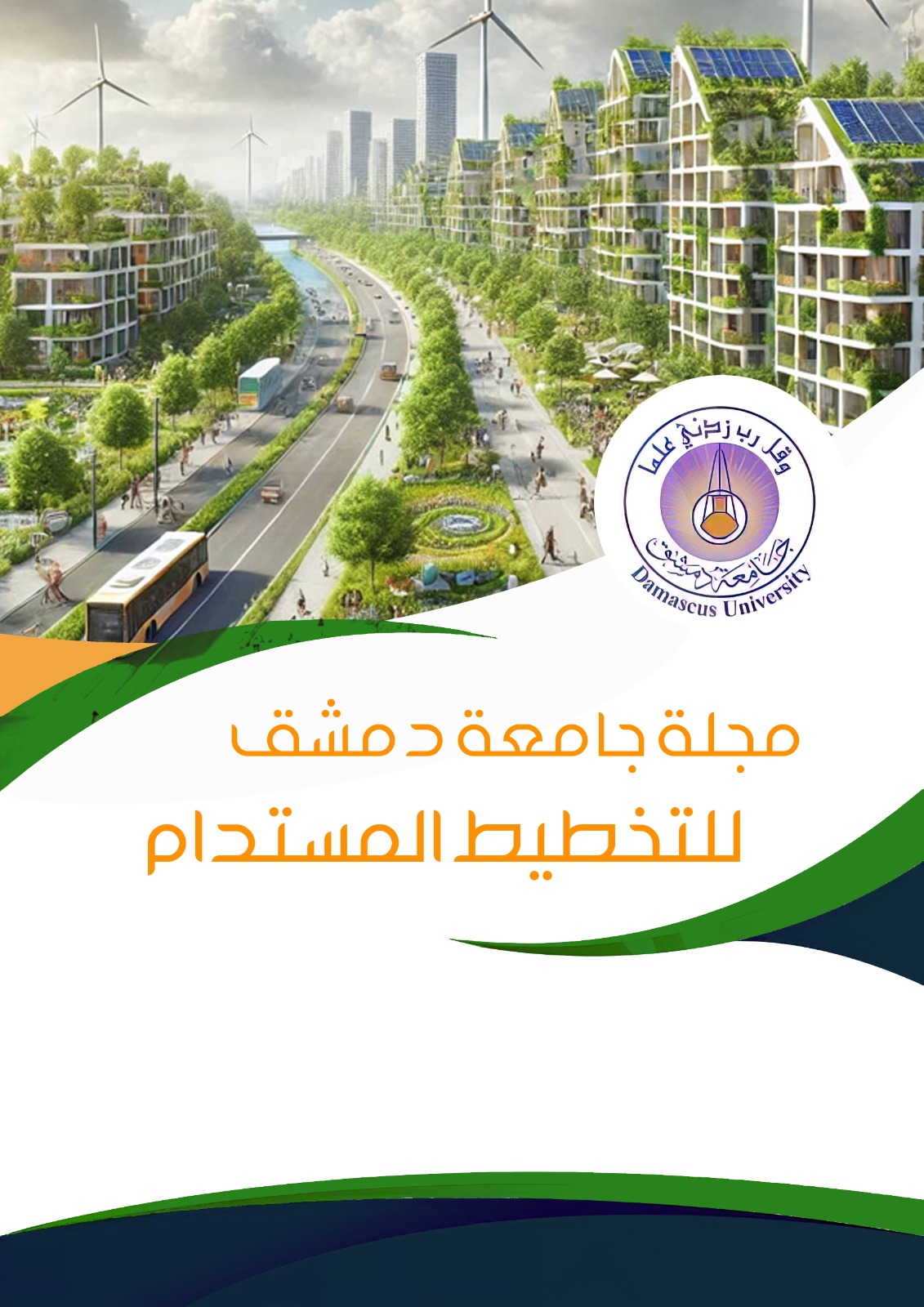
مجلة جامعة دمشق للتخطيط المستدام
مجلة علمية دورية محكمة متخصصة، تُعنى بنشر البحوث والدراسات الأصيلة ذات الجودة العالية في مجال التخطيط المستدام. تهدف المجلة إلى تعزيز المعرفة العلمية وتوفير منصة للباحثين والمتخصصين لعرض نتائج أبحاثهم وأفكارهم الإبداعية التي تسهم في تطوير مفاهيم التخطيط المستدام وتحقيق التنمية المتوازنة بيئيًا واجتماعيًا واقتصاديًا.
حاصلة على رقم ISSN (Online): 3079-6083
-
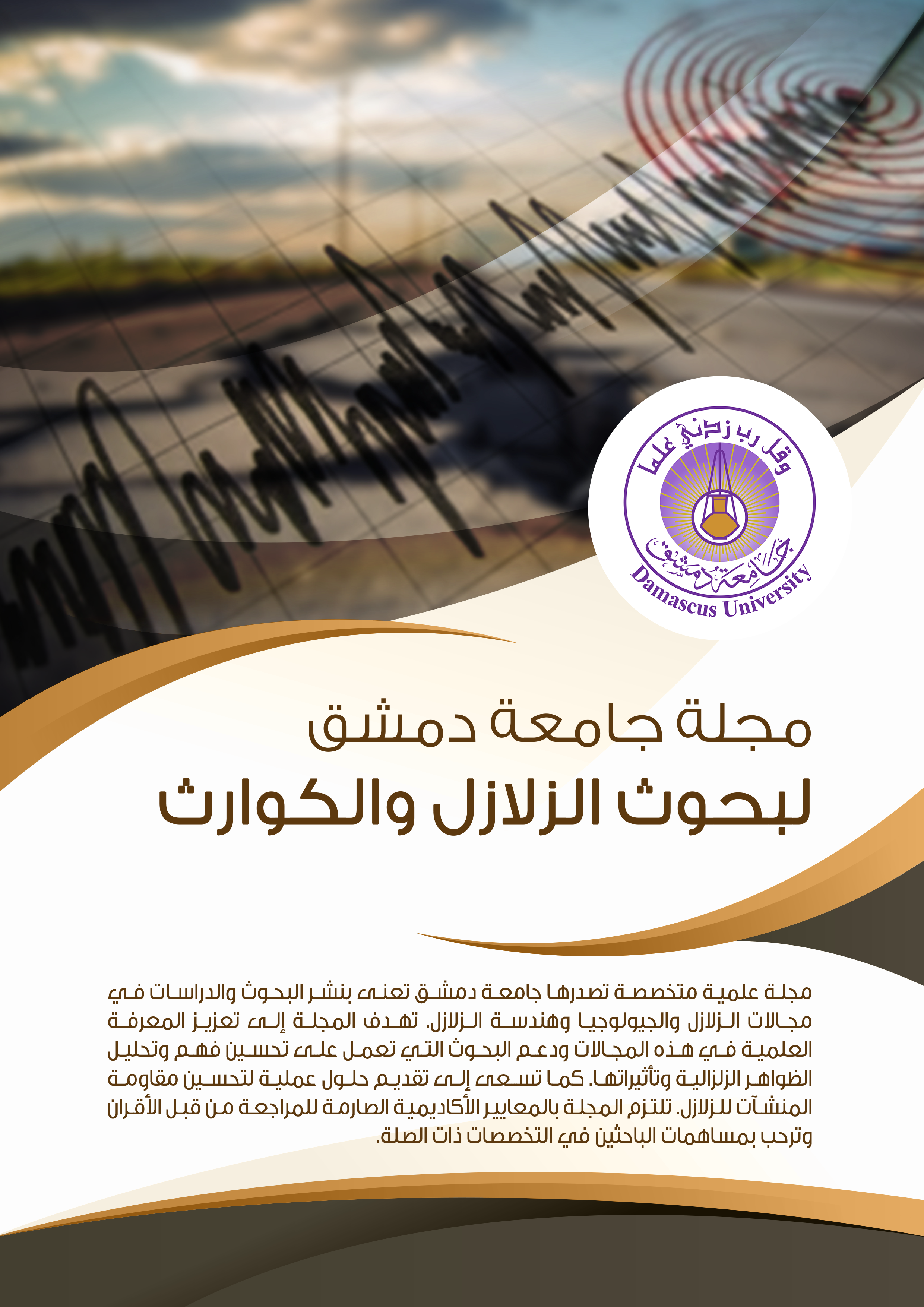
مجلة جامعة دمشق لبحوث الزلازل والكوارث
مجلة علمية متخصصة تصدرها جامعة دمشق تعنى بنشر البحوث والدراسات في مجالات الزلازل والجيولوجيا وهندسة الزلازل. تهدف المجلة إلى تعزيز المعرفة العلمية في هذه المجالات ودعم البحوث التي تعمل على تحسين فهم وتحليل الظواهر الزلزالية وتأثيراتها. كما تسعى إلى تقديم حلول عملية لتحسين مقاومة المنشآت للزلازل. تلتزم المجلة بالمعايير الأكاديمية الصارمة للمراجعة من قبل الأقران وترحب بمساهمات الباحثين في التخصصات ذات الصلة.
حاصلة على الرقم ISSN:3081-085X